
Regaining hand function after a stroke is one of the biggest challenges many patients face. Simple daily actions like holding a cup, buttoning a shirt, or using a phone can suddenly feel impossible.
The good news is: recovery is possible—especially with consistent training and the right approach.
In this guide, you’ll learn exactly how to improve hand mobility after a stroke, step by step.
Yes, in many cases, stroke survivors can regain partial or even significant hand function.
Recovery depends on:
- Severity of the stroke
- How early rehabilitation begins
- Consistency of training
- Brain’s ability to rewire itself (neuroplasticity)
👉 The brain has the ability to form new neural connections, which means lost function can be relearned over time.
For a deeper understanding of the full recovery process, you can read our complete guide here:
👉 [Stroke Hand Recovery: Complete Guide]
1. Start With Passive Movement
In the early stage, even if you cannot move your hand actively, movement is still essential.
- Gently stretch fingers
- Use the other hand to assist movement
- Focus on maintaining joint flexibility
2. Practice Repetitive Exercises
Repetition is key to rebuilding neural pathways.
Some effective exercises include:
- Finger tapping
- Squeezing a soft ball
- Opening and closing the hand
👉 The goal is to train the brain through repetition
3. Use Assisted Rehabilitation Devices
One of the biggest challenges is maintaining consistent, correct movement.
That’s where rehabilitation devices can help.
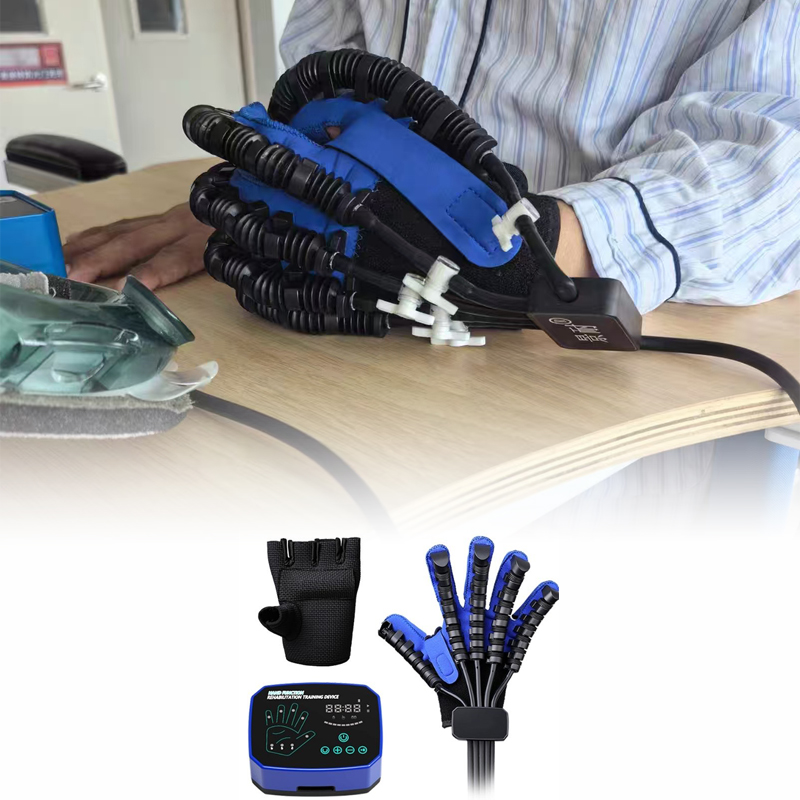
For example, a robotic stroke recovery glove can:
- Guide finger movements automatically
- Provide consistent training
- Reduce the effort required for daily rehab
👉 You can explore one example here:
👉 [Smart Robotic Recovery Glove]
4. Train Daily (Consistency Matters Most)
Recovery is not about intensity—it’s about consistency.
- 15–30 minutes per day
- Every day if possible
Even small improvements compound over time.
5. Combine Therapy Methods
The best results often come from combining:
- Manual exercises
- Assisted devices
- Professional guidance (if available)
👉 Assisted tools like a stroke rehabilitation glove can make home therapy much easier and more sustainable.
👉 [View the rehab glove here]
Recovery timelines vary widely.
- Some patients see small improvements in weeks
- Others may take months
- Full recovery (if possible) can take longer
The key factors are:
- Early intervention
- Daily repetition
- Proper technique
✔ Start rehabilitation as early as possible
✔ Stay consistent with daily exercises
✔ Focus on small, gradual improvements
✔ Use tools that support repetitive movement
✔ Stay patient and track progress
Recovering hand function after a stroke is a gradual process, but it is achievable.
The combination of:
- Repetition
- Consistency
- Proper support tools
can significantly improve outcomes over time.
👉 If you’re looking for ways to make daily rehabilitation easier, tools like robotic rehab gloves can provide structured, consistent support at home.