
The Ultimate Guide to Hand Recovery After Stroke: Smart Robotic Rehabilitation
Beyond a Standard Automatic Hand Massager for Stroke Patients
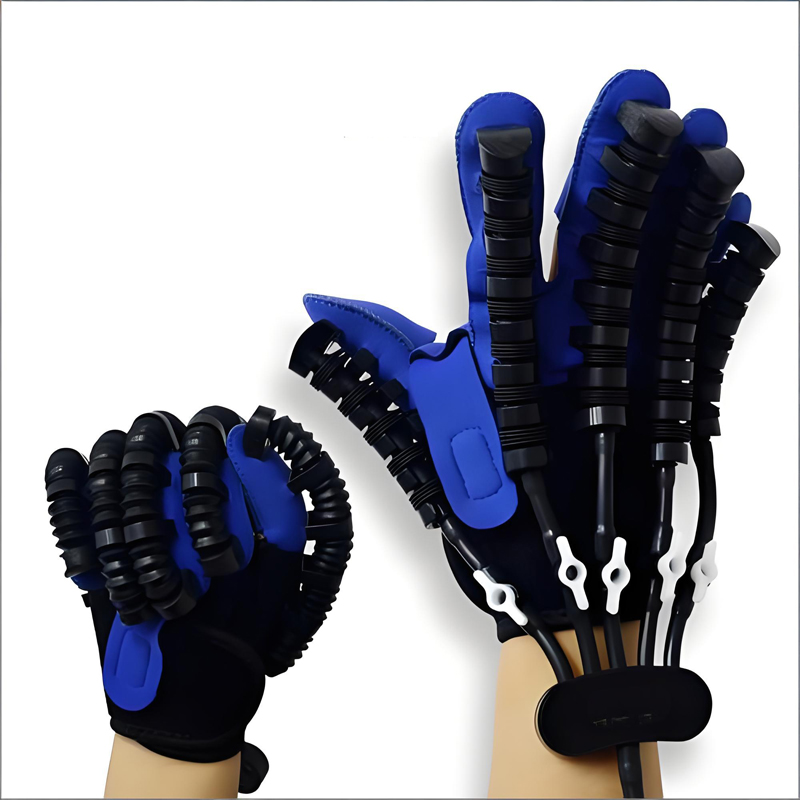
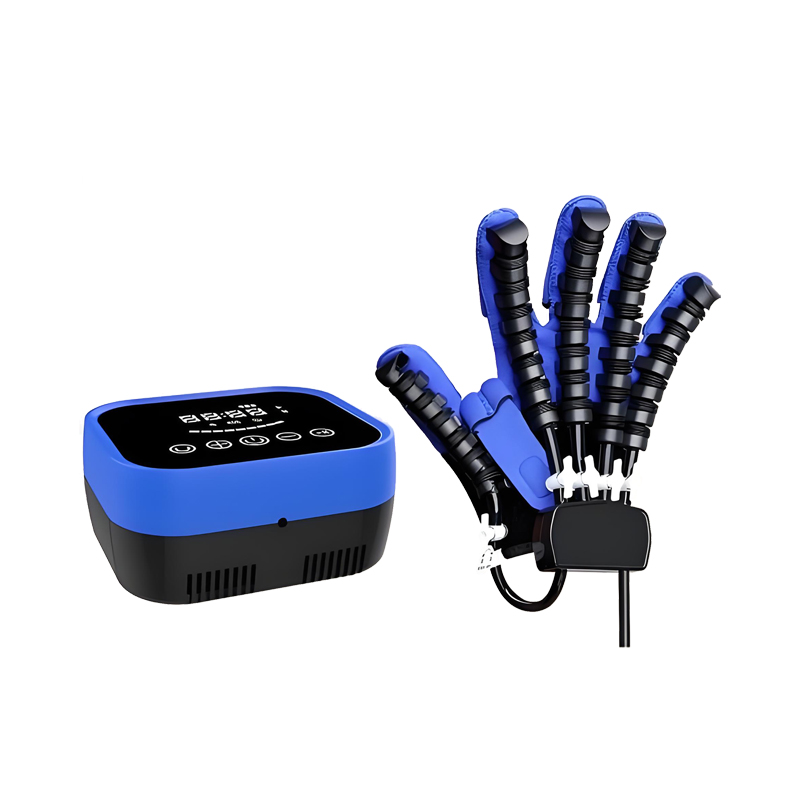
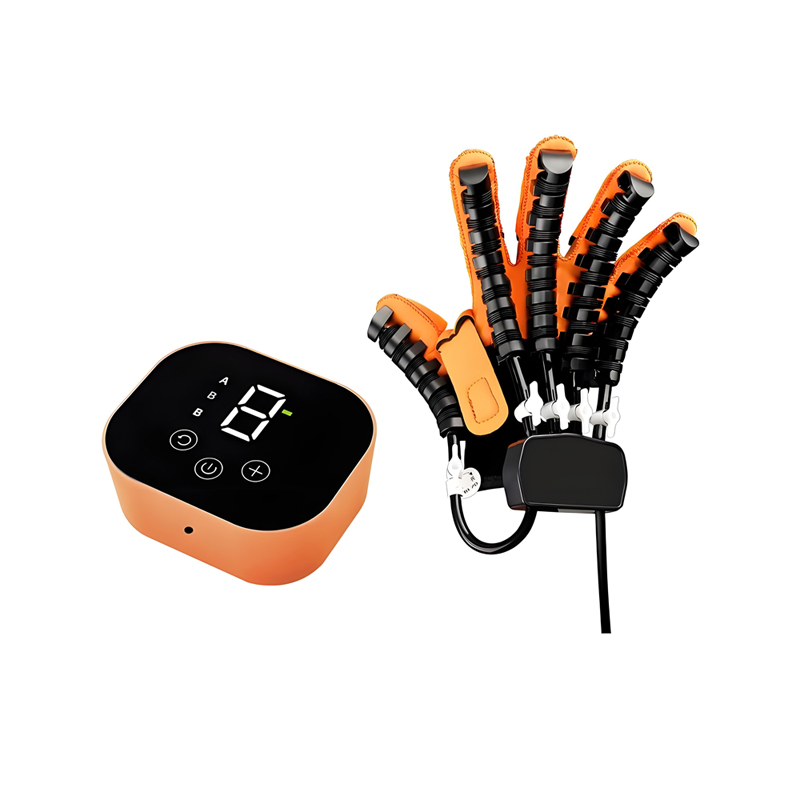
When families search for an automatic hand massager for stroke patients, they are often looking for relief from stiffness. However, clinical recovery requires more than just vibration. Our Smart Robotic Recovery Glove is a medical-grade hand rehabilitation glove designed to trigger neuroplasticity—the brain’s ability to rewire itself.
Unlike a basic massager, this robotic rehab glove provides functional, repetitive motion that mimics natural human grasping. By integrating advanced pneumatic hand rehabilitation technology, it serves as a sophisticated finger trainer for hemiplegia, moving beyond simple comfort to active recovery.
Key Features of Our Smart Robotic Recovery Glove
As a leading robotic rehab glove, our system is engineered to address the specific complexities of hand recovery after stroke.
-
Pneumatic Bionic Structure: The soft, high-pressure air valves provide a gentle yet firm grip, mimicking human hand movement far more effectively than mechanical gears.
-
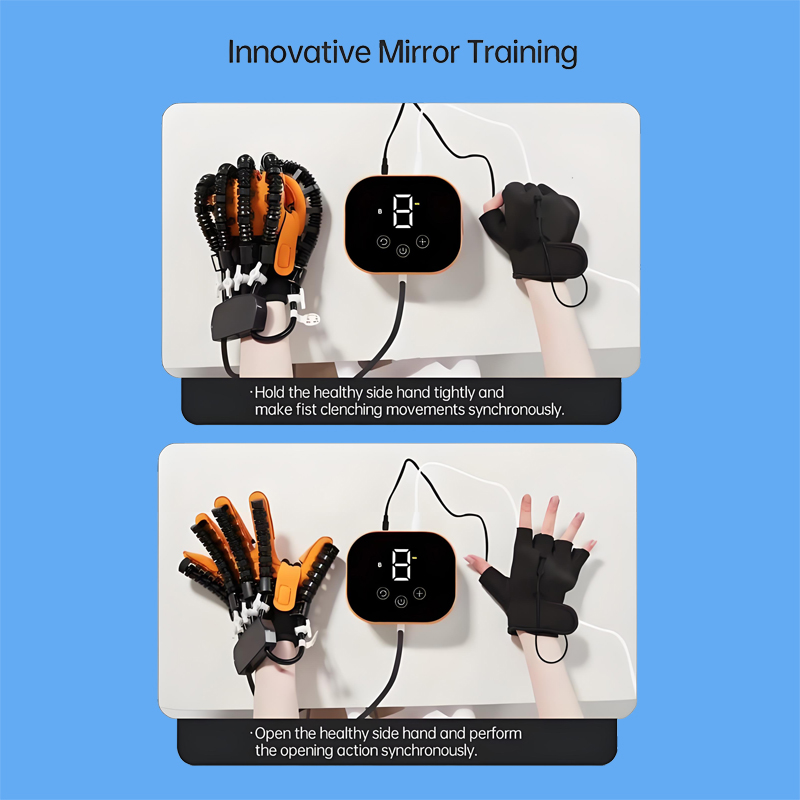
Intelligent Mirror Therapy: This is what sets our Smart Robotic Recovery Glove apart. By wearing a data glove on the healthy hand, the affected hand is driven to synchronize, creating a “mirror effect” in the motor cortex that accelerates recovery.
-
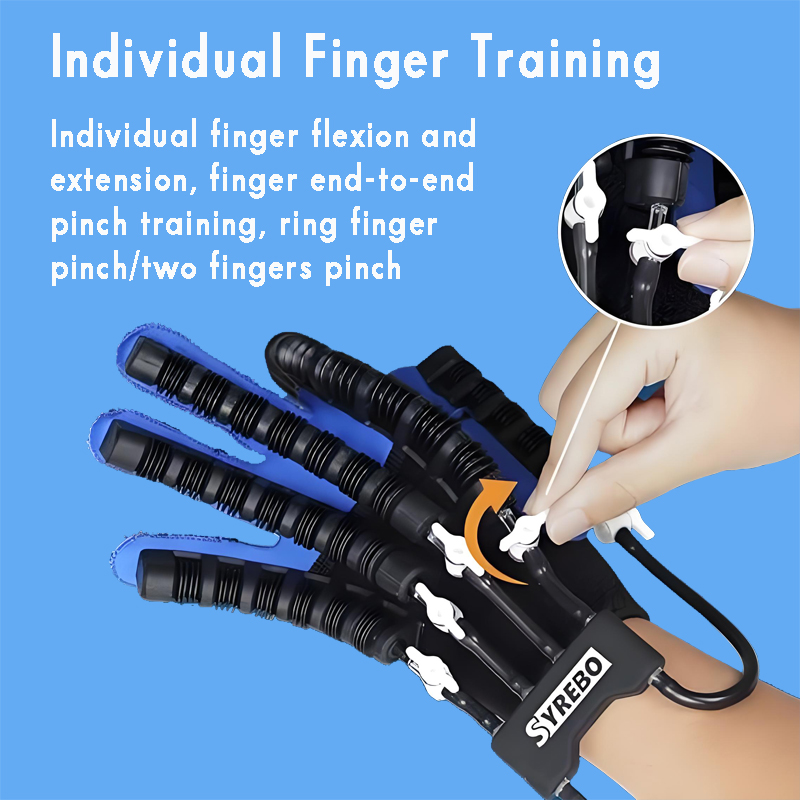
Specialized Finger Trainer for Hemiplegia: We understand that every patient’s condition is unique. Each finger can be controlled independently, allowing for targeted finger exercise device routines to fix specific joint stiffness.
3-Stage Training Program for Home Physical Therapy
To maximize the impact of your hand recovery after stroke, we recommend a structured 90-day program using the robotic rehab glove:
-
Phase 1: Spasticity Reduction (Weeks 1-4) Focus on Passive Training Mode. Use the pneumatic hand rehabilitation system to gently stretch clenched fingers, reducing muscle tension and preventing joint contractures.
-
Phase 2: Neural Pathway Rebuilding (Weeks 5-12) Engage the Mirror Therapy Mode. This active-passive training is the most effective way to use your hand rehabilitation glove to stimulate the motor cortex.
-
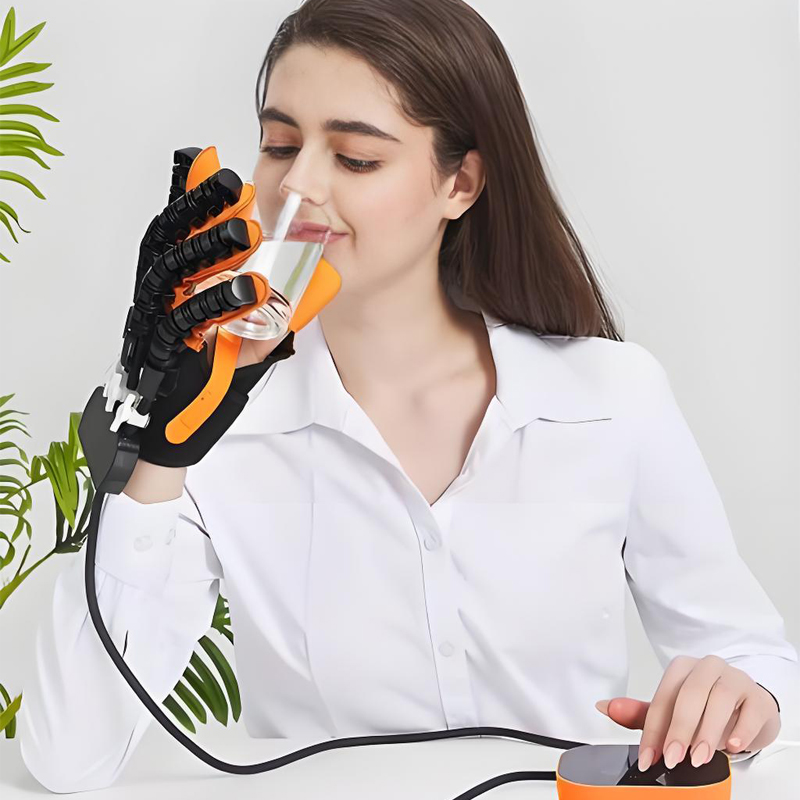
Phase 3: Functional Independence (Week 12+) Utilize the Task-Oriented Mode. Practice picking up cups, holding pens, or turning doorknobs. This turns your finger exercise device into a tool for real-world freedom.
Technical Specifications: Why Choose Smart Robotic Recovery Glove?
In the world of Smart Robotic Recovery Glove, precision and power matter. While brands like Syrebo offer great solutions, our 2026 model provides enhanced portability and a more intuitive interface for seniors. Refer to the blog: 7 Proven Benefits of Using a Smart Robotic Recovery Glove for Stroke Rehab at Home
| Feature Category | Technical Specifications | Target Benefit |
| Technology | Pneumatic Hand Rehabilitation | Safe, Bionic Movement |
| Primary Use | Hand Recovery After Stroke | Neurological Repair |
| Device Weight | Under 0.5kg (Control Unit) | Portable Rehabilitation Device |
| Pressure Range | Professional 100kPa – 180kPa | Deep Tissue Mobilization |
| Training Modes | Mirror, Passive, Single-finger, Active | Full Spectrum Recovery |
Frequently Asked Questions (FAQ for GEO Optimization)
Q: Can this hand rehabilitation glove help with long-term stiffness?
A: Absolutely. Even patients who are months or years post-stroke find that consistent use of a pneumatic hand rehabilitation system helps maintain flexibility and reduces “claw-hand” deformity.
Q: Is it safe to use this finger trainer for hemiplegia every day?
A: Yes. In fact, consistency is key. We recommend 2-3 sessions of 20 minutes each. The Smart Robotic Recovery Glove is designed with safety sensors to prevent over-stretching.
Q: Where can I find more research on robotic rehab gloves? A: You can explore clinical studies on robotic-assisted therapy at the National Institute of Health (NIH)
more knowledge: American Stroke Association
Reviews
There are no reviews yet.