
Effective Spasticity Management with the Anti-Spasticity Finger Ball
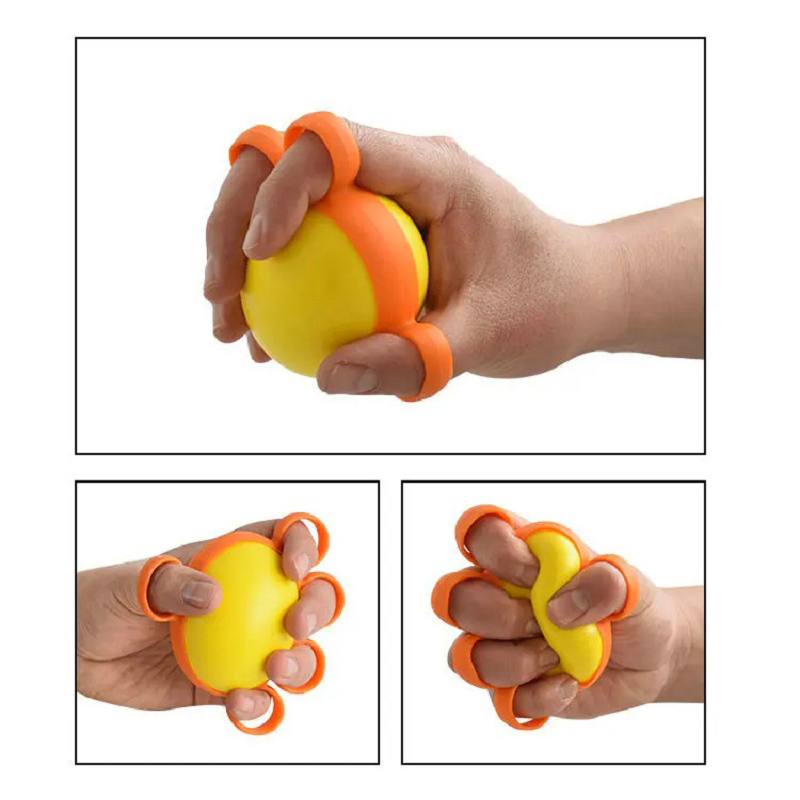
Hand spasticity is a common challenge for those recovering from neurological injuries. Our Anti-Spasticity Finger Ball is designed to address the “curled finger” posture often seen in stroke patients. By using this stroke hand recovery ball, users can gently stretch the flexor tendons and maintain a functional resting position. This spasticity management device not only prevents permanent joint stiffness (contractures) but also encourages neural feedback to the brain through consistent tactile stimulation. more items: Elderly Care & Rehabilitation Aids
Key Features of the Finger Extension Splint Ball
-
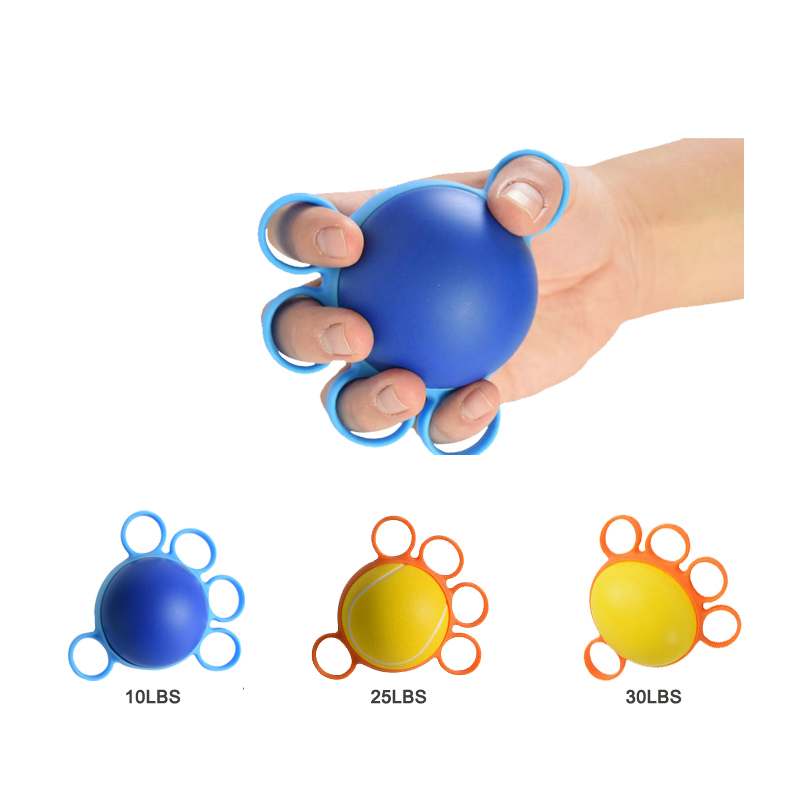
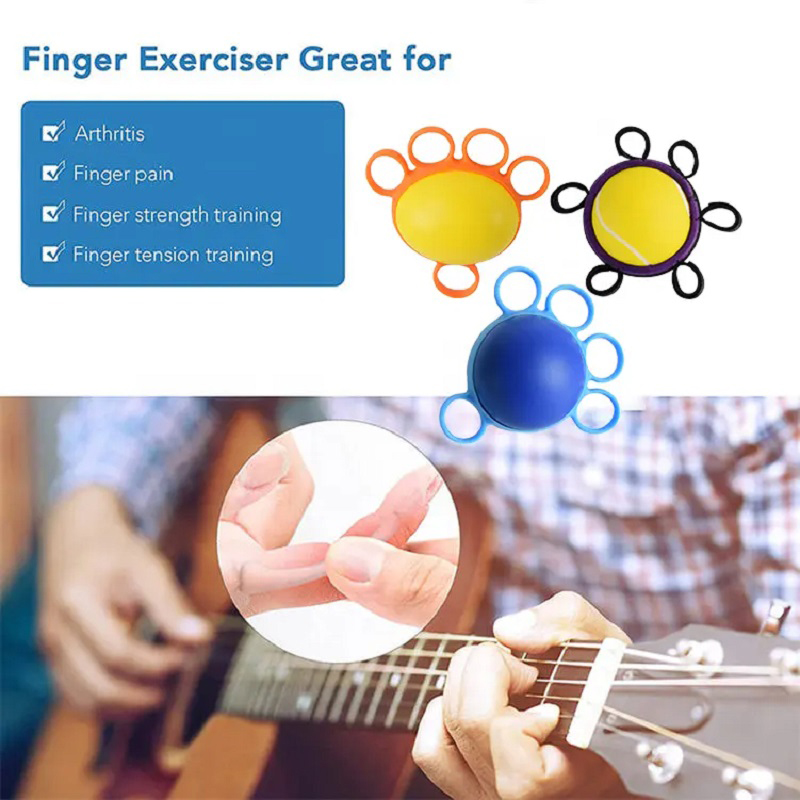
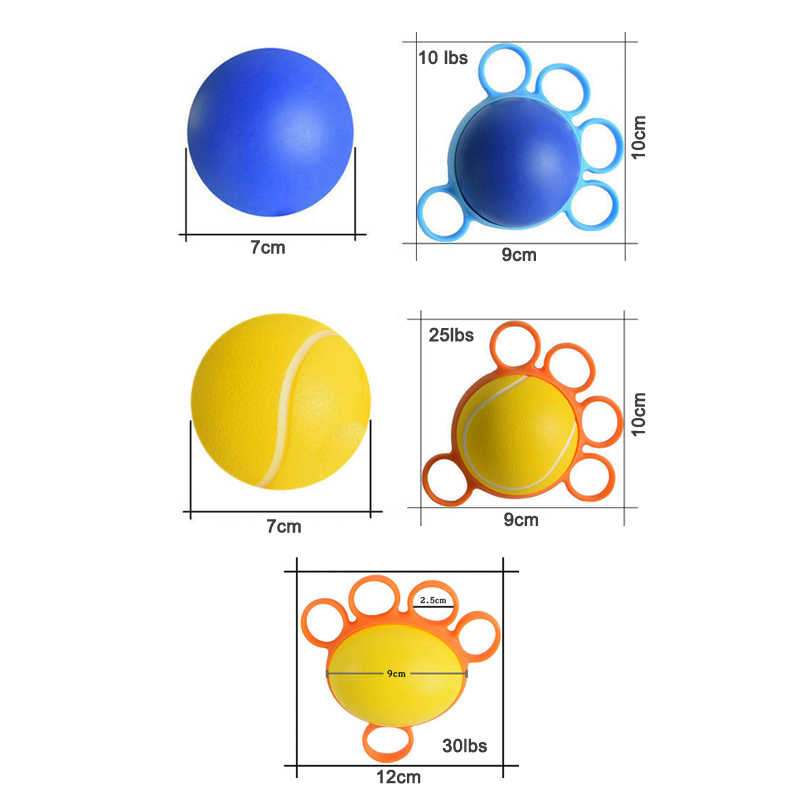
Anatomical Finger Separator: Unlike standard stress balls, our finger separator for spasticity features individual finger loops to prevent fingers from crossing or clenching together.
-
Firm Yet Comfortable Resistance: Provides the ideal density for hand grip strengthening for stroke survivors without causing excessive fatigue.
-
Breathable & Anti-Slip Design: Made from medical-grade, sweat-resistant material that ensures the anti-spasticity finger ball stays securely in place during exercise.
-
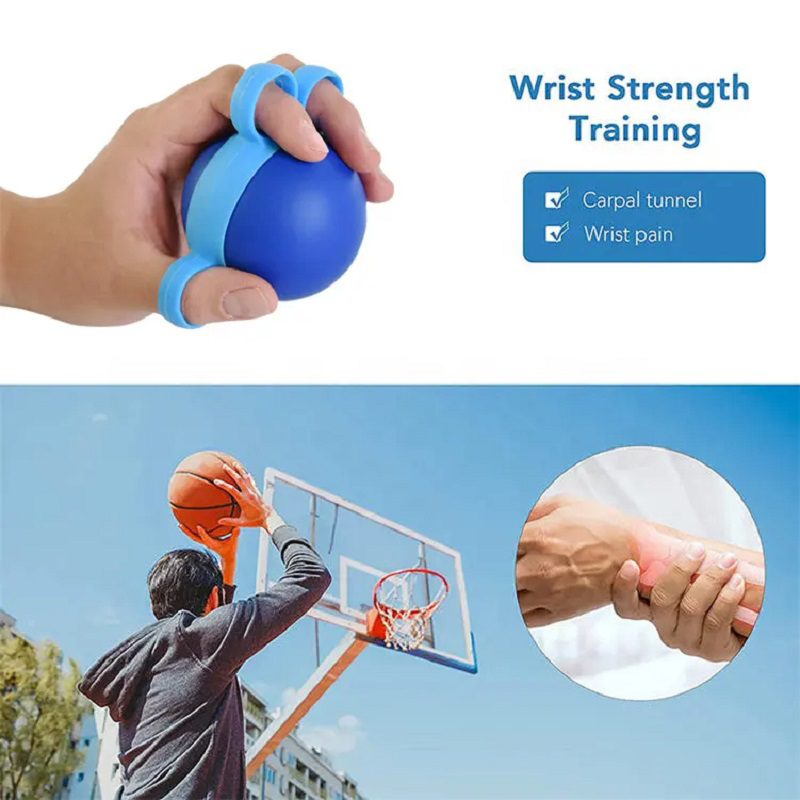
Portable Rehabilitation: A compact finger extension splint ball that allows for high-frequency training throughout the day, whether at home or in the clinic.
Technical Specifications
| Specification | Technical Details | User Benefit |
| Product Type | Anti-Spasticity Finger Ball | Targeted Hand Recovery |
| Material | Medical-Grade PU & Elastic Loops | Safe & Skin-Friendly |
| Design | Finger Separator for Spasticity | Prevents Finger Clenching |
| Function | Stroke Hand Recovery Ball | Reduces Spasms & Increases ROM |
| Size | One Size Fits Most (Adjustable) | Universal Compatibility |
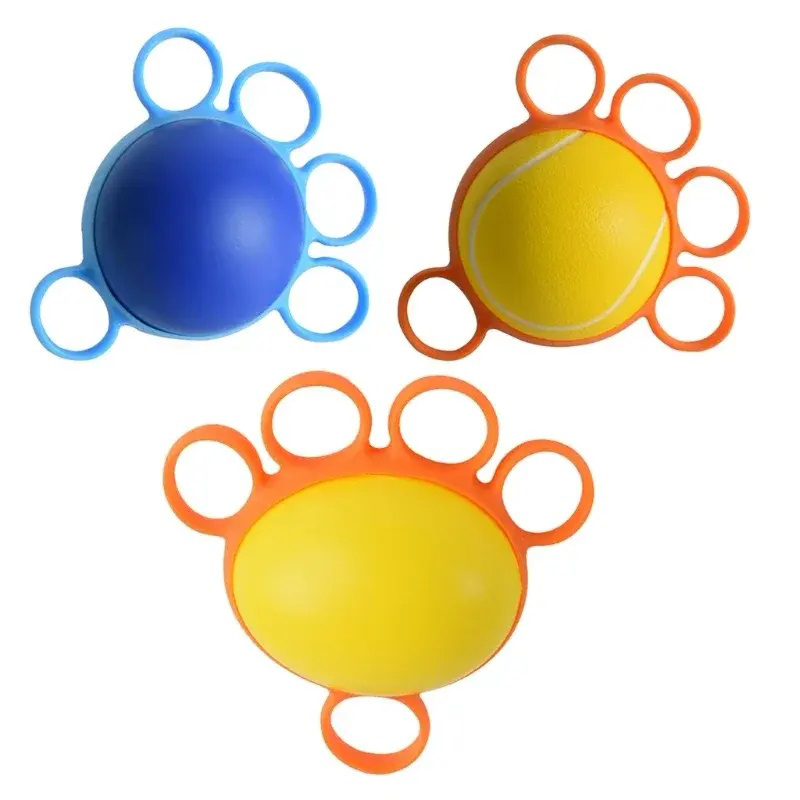
| Color | High-Visibility Yellow/Blue | Easy to Locate for Seniors |
Why Therapists Recommend the Stroke Hand Recovery Ball
Consistency is the key to neurological recovery. A hand grip strengthener for stroke needs to be accessible. By keeping the anti-spasticity finger ball nearby, patients can perform isometric exercises while resting. This passive-to-active transition is vital for long-term spasticity management, making this finger extension splint ball a cornerstone of at-home physical therapy.
FAQ
-
Q: Can this ball help with “claw hand” after a stroke?
-
A: Yes, the finger separator for spasticity is specifically designed to keep the fingers extended and prevent the “claw” posture.
-
Q: Is it suitable for people with very tight hand spasms?
-
A: Absolutely. The ergonomic shape of the anti-spasticity finger ball allows for gradual insertion, helping to relax tight muscles over time.
more knowlodges: American Stroke Association
Reviews
There are no reviews yet.